
MARCH Entry
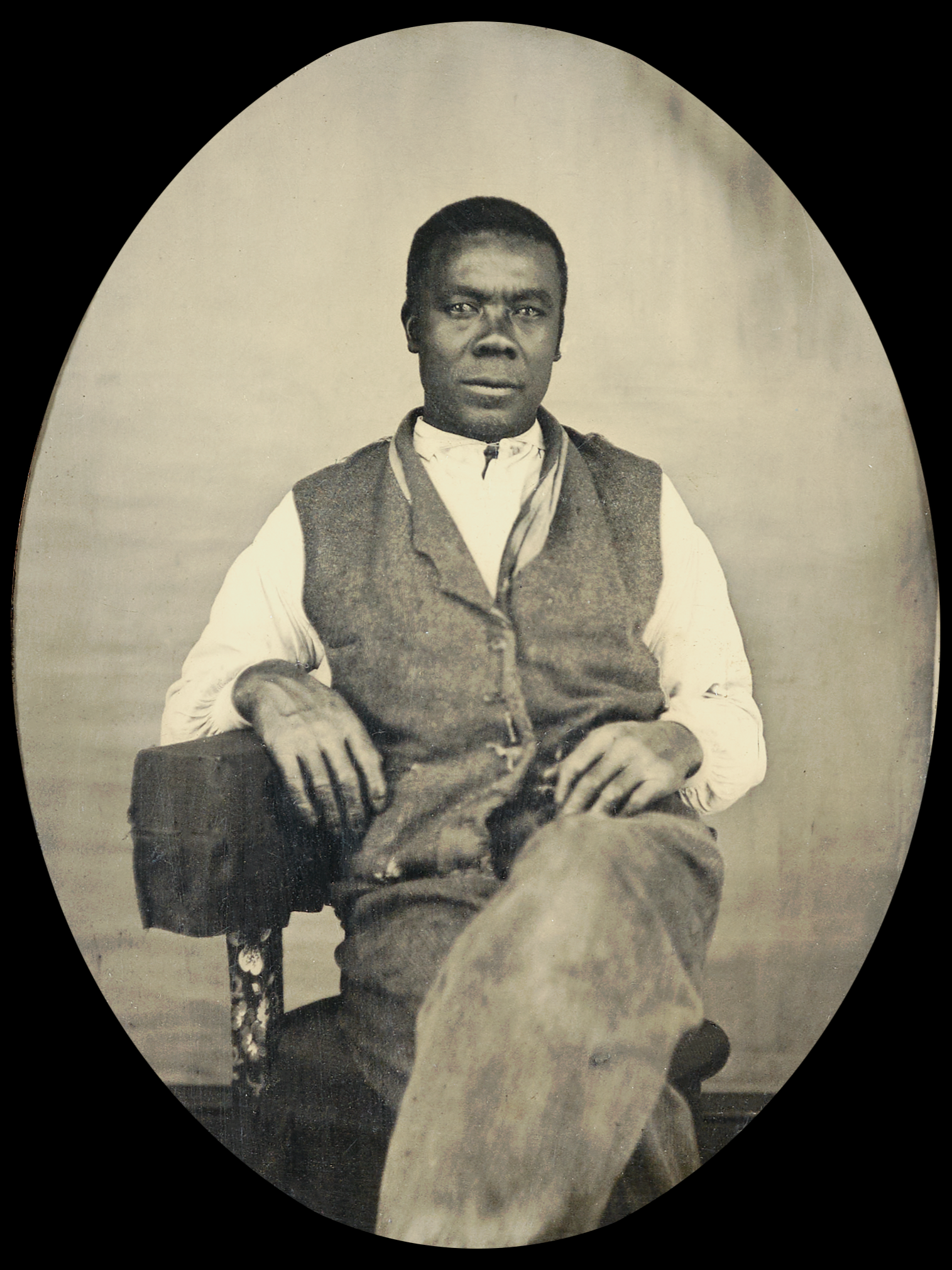
Remus Hill
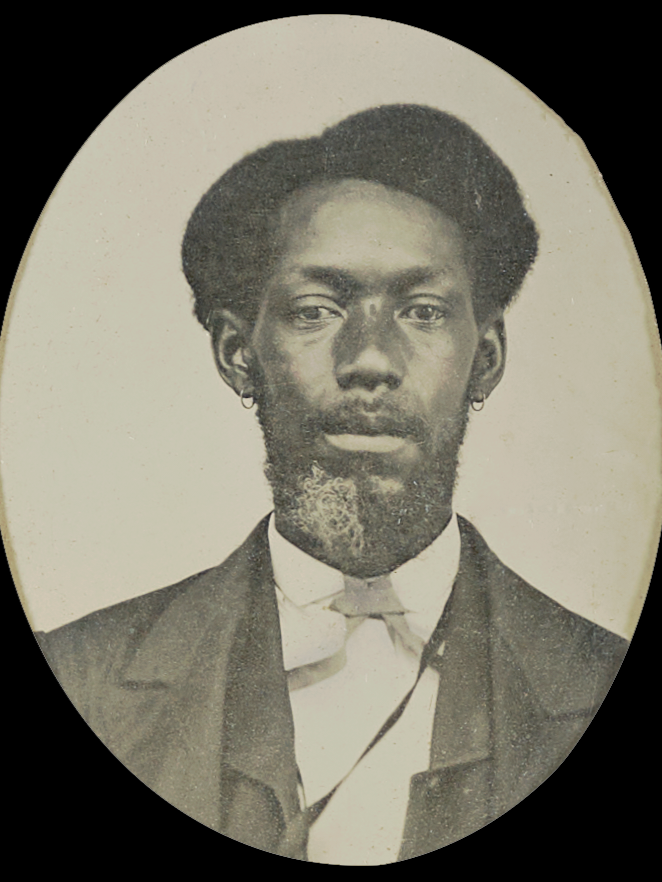
Tom Bond
In 1856, a 28-acre parcel was set aside from Riverton upon which an eclectic stone cottage dubbed Fairfield was built for Ann Peirce and her father Joshua, then retiring from farming. Fairfield was built by Ann’s brother Edward Peirce, stonemason Isiah Coar, and free Black carpenter Remus Hill, with Warner Cook, Charles Musgrove, and William Bowen working under Hill’s direction. A Peirce family farm ledger indicates that Hill worked thirty-six days building Fairfield at a rate of $1.50 per day, a good wage that reflects his skill and professional standing. Likewise, Remus’s supervision of others points to a network of Black tradespeople whose expertise helped shape the built environment of Sandy Spring.
Remus Hill was born in 1816 to formerly enslaved individuals, Hazel and Margary Hill. He was among the free Blacks responsible for the formation of the Cincinnati kinship community, purchasing four acres in 1842 upon which he built his family’s house. By 1870, Remus Hill had added to his initial parcel, accumulating real estate valued at $1,000 with a personal estate of $380. By 1890 he had over $3,400 in his account at Sandy Spring Bank. Through land ownership, home-building, and careful financial management, Hill established lasting stability for his family. His achievements reflect both the possibilities and sustained effort required of first generation Black Marylanders born into freedom.
Employed at Fairfield was Black farm laborer Tom Bond, who maintained a working relationship with Edward Peirce that extended over two decades, from 1862 through 1884, an indication of his dependability and valued agricultural skills. Peirce also entrusted Bond to regularly take a wagon of farm produce to Washington, D.C. to sell on his behalf. Bond’s only break in employment occurred between 1863 and 1866, when Peirce notes “T. Bond left for the purpose of enlisting” in the Union Army. Bond’s enlistment reflects the hope and determination that a lot of Black men felt as they looked towards the Civil War as a path for improving their condition. Those who fought with the United States Colored Troops were encouraged by such free Black leaders as Frederick Douglass who in 1863 proclaimed, “Once let the black man get upon his person the brass letters U.S.; let him get an eagle on his button, and a musket on his shoulder, and bullets in his pocket, and there is no power on the earth or under the earth which can deny that he has earned the right of citizenship in the United States.” Bond was one of approximately 8,700 Black men that joined the Union forces from Maryland during the last two years of the war, comprising approximate one-tenth of the Union’s manpower.
Three generations of the Thornton family also worked at Fairfield. Their experience highlights a pattern of intergenerational arrangements and the mutually dependent, long-term bonds created among Sandy Spring’s Black and White communities. The youngest, Ned, attended a school newly established by the Black community for its children, while also milking cows at Fairfield in the mornings and evenings. Balancing the need to earn money with the desire to seek an education, young Thronton’s experience underscores the role of children’s labor in sustaining free Black households.
In 1860, Edward Peirce and his family make Fairfield their home. Edward farmed while operating the general store “E. Peirce & Company” that he opened in Brighton in 1864. Many of the store’s customers included free Black families then or formerly employed at Fairfield, some of whom received part of their pay in merchandise. Peirce kept a separate ledger for his Black clientele labeled “Little Blotter” in which appear such names as Awford, Bacon, Bowen, Dorsey, Hill, Howard, Hopkins, Marriott, Thronton, and Williams. The store was later owned and operated by the Hartshorne family before being purchased by the Colored Odd Fellows of Sandy Spring in 1916. It speaks to the free Black community’s growing role in controlling its own local market economy.
