
History News Article: Equity in Metadata
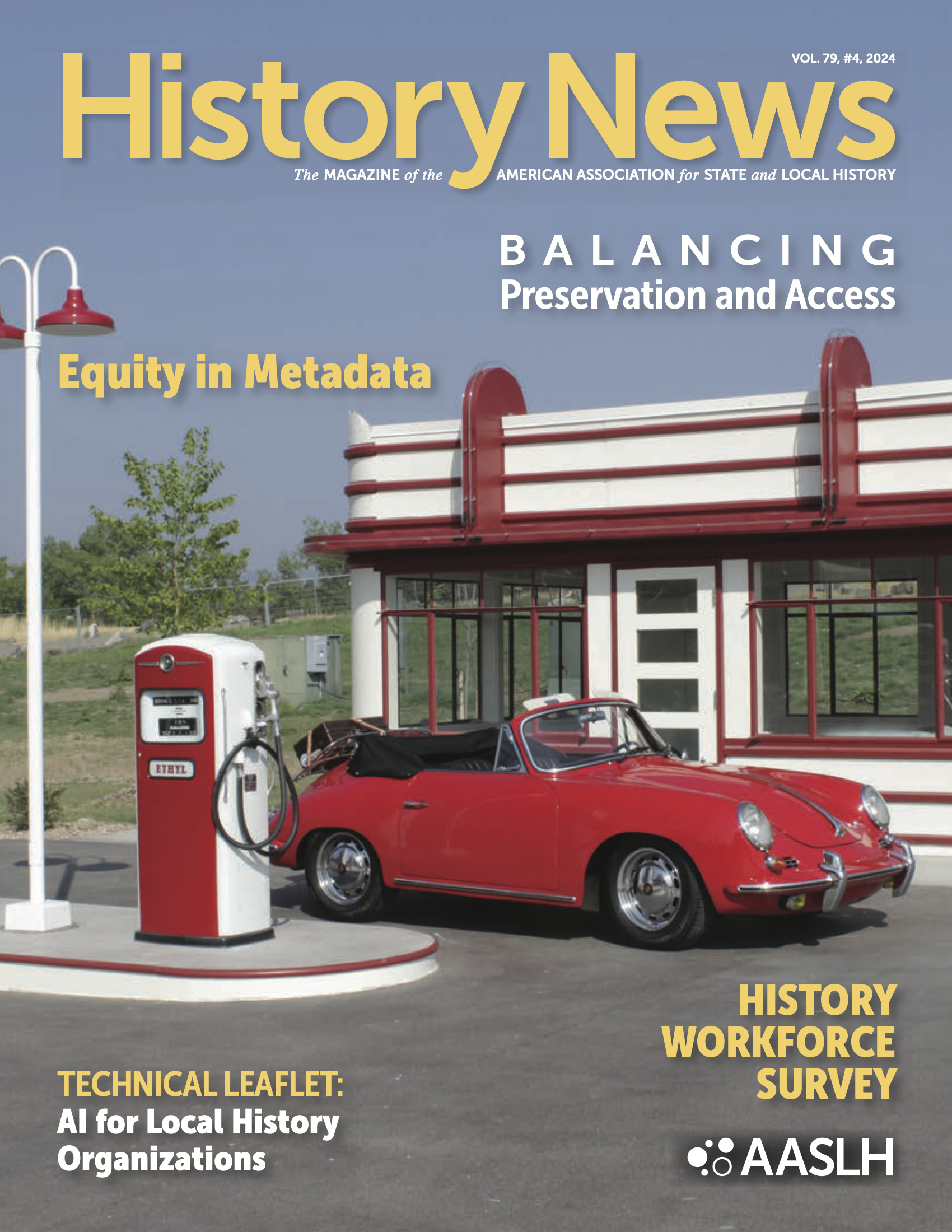
Did you know that throughout the nineteenth century, Sandy Spring’s Black and white residential populations were roughly the same size? Despite this, the majority of Sandy Spring Museum’s archival holdings contain records created and preserved by white families. As a result, Sandy Spring Museum long believed it lacked historical sources documenting the lives of Black residents. This misconception shaped the museum’s interpretation of local history for decades, resulting in narratives that disproportionately centered white perspectives.
In 2019, everything changed.
As collections staff digitized thousands of archival records, known names from the local Black community such as Hill, Budd, Bacon, and Awkard, began to surface in unexpected places. Individuals mentioned in farm ledgers appeared again in medical records, bank ledgers, and other documents, often alongside references to their children and extended families. Following these names across the collection revealed a rich web of connections, allowing staff to reconstruct stories of Black experiences and communities previously underrepresented in the historical record.
Under the leadership of Archives and Collections Manager Lydia Fraser and Collections Assistant Shel Burton, the museum took action. Staff reviewed thousands of pages to identify references to Black residents that had long gone unrecognized. For the first time, in the museum’s history, these individuals were systematically linked to the records in which they appeared using metadata—descriptive information that makes archival materials searchable and discoverable online. This initiative, called Equity in Metadata, now allows the public to search for over 450 Black individuals and access the digitized records across our collections in which these individuals are named.
We invite you to spend some time reading the stories of Sandy Spring’s historical Black residents. Visit Digital Maryland to discover the stories of Sandy Spring's historic Black farmer laborers, laundresses, blacksmiths, families, and community leaders. For the richest results, explore the Black history topics and categories linked throughout the collection.
We thank the Sandy Spring African American Descendants Committee who continue to provide invaluable guidance and support for this project. With their assistance, the museum is able to ensure these stories are always shared with dignity and respect.
To learn more about the background of this project and the full story of our collaboration with the descendant community, view this video and read our detailed feature in the American Association for State and Local History’s print publication, History News.
