

Current News and Updates
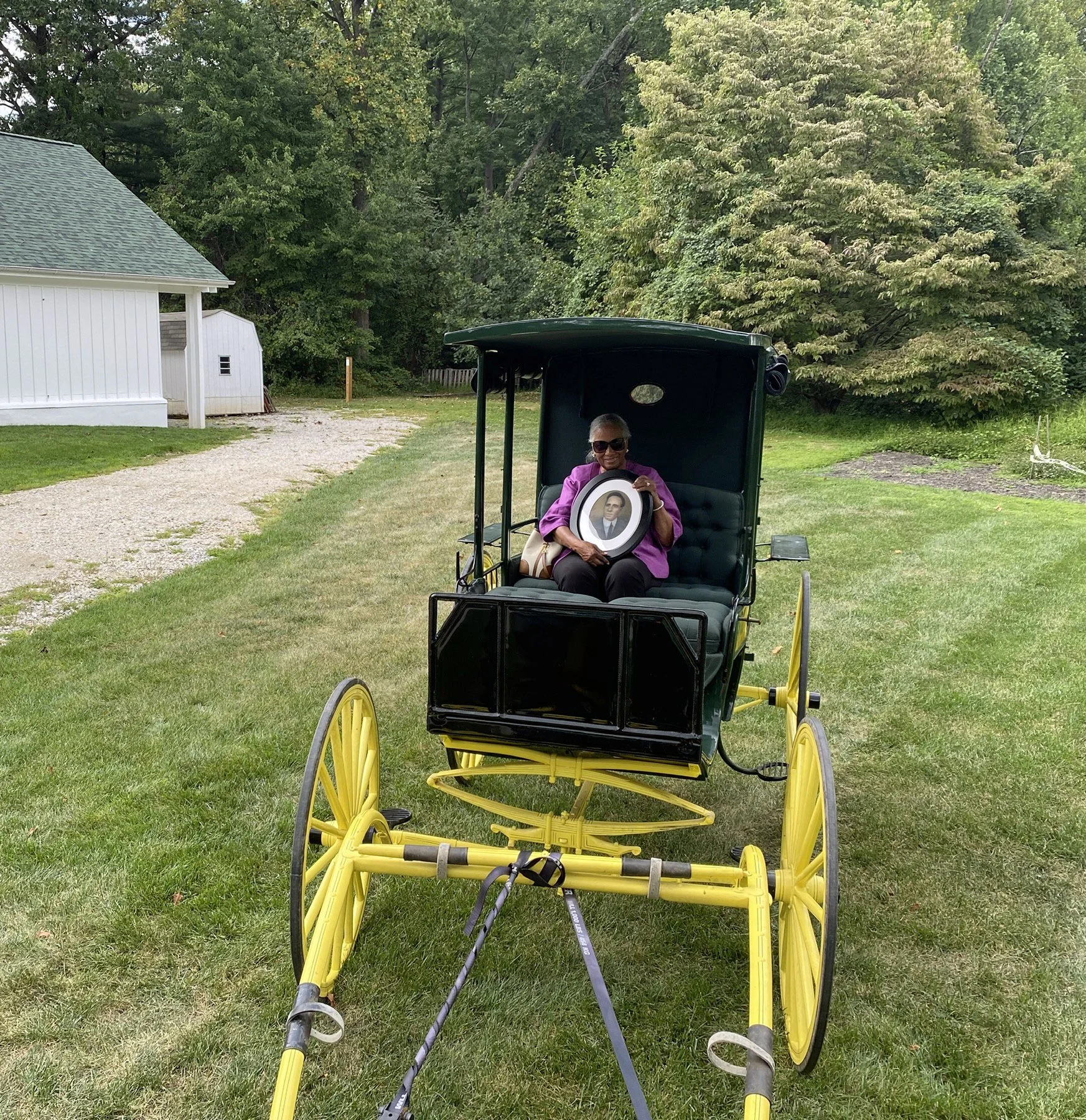
Carriage Returns to Sandy Spring Museum
If you thought you were hallucinating when you saw a wooden carriage coming down Route 108 on Thursday, September 10, rest assured that there is nothing wrong with your eyesight!
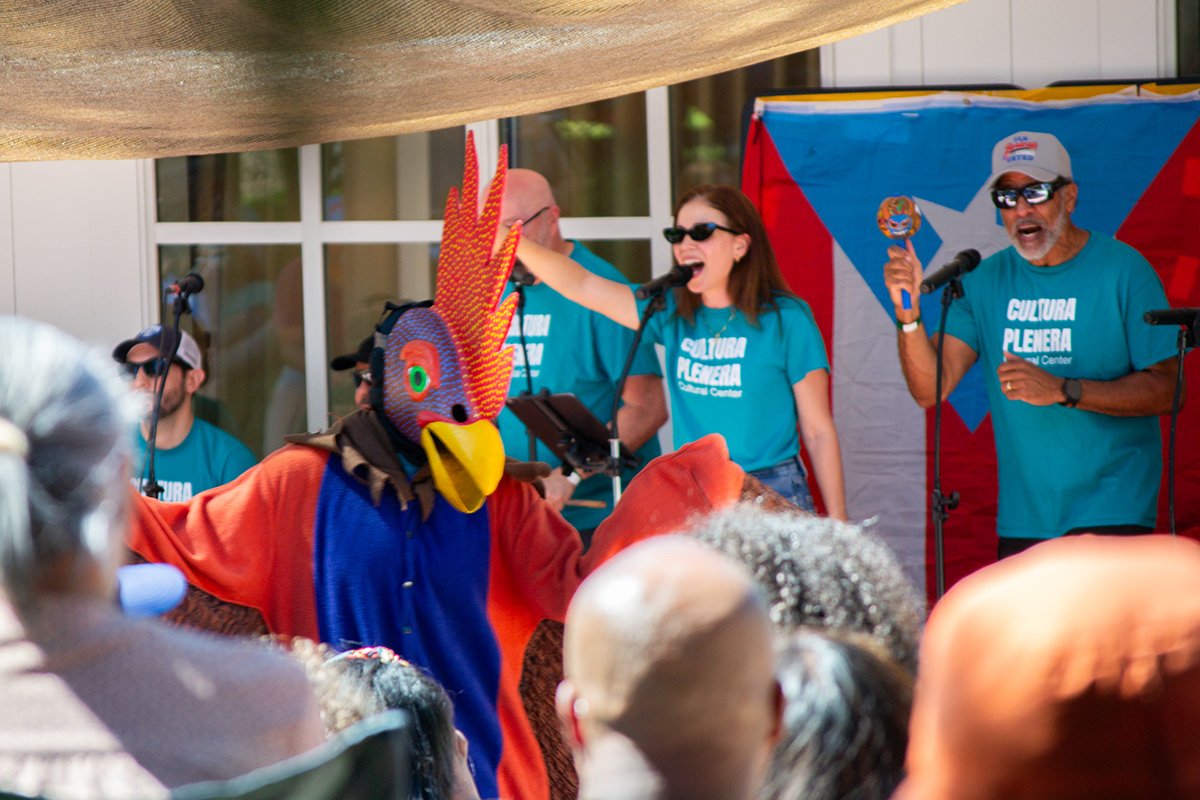
Willow Grove: A Game changer for Our Community Partners
When Cultura Plenera first began using Willow Grove, they saw a great new space for workshops, rehearsals, and programs. What they quickly discovered was something even more valuable: freedom, flexibility, and a true sense of ownership.
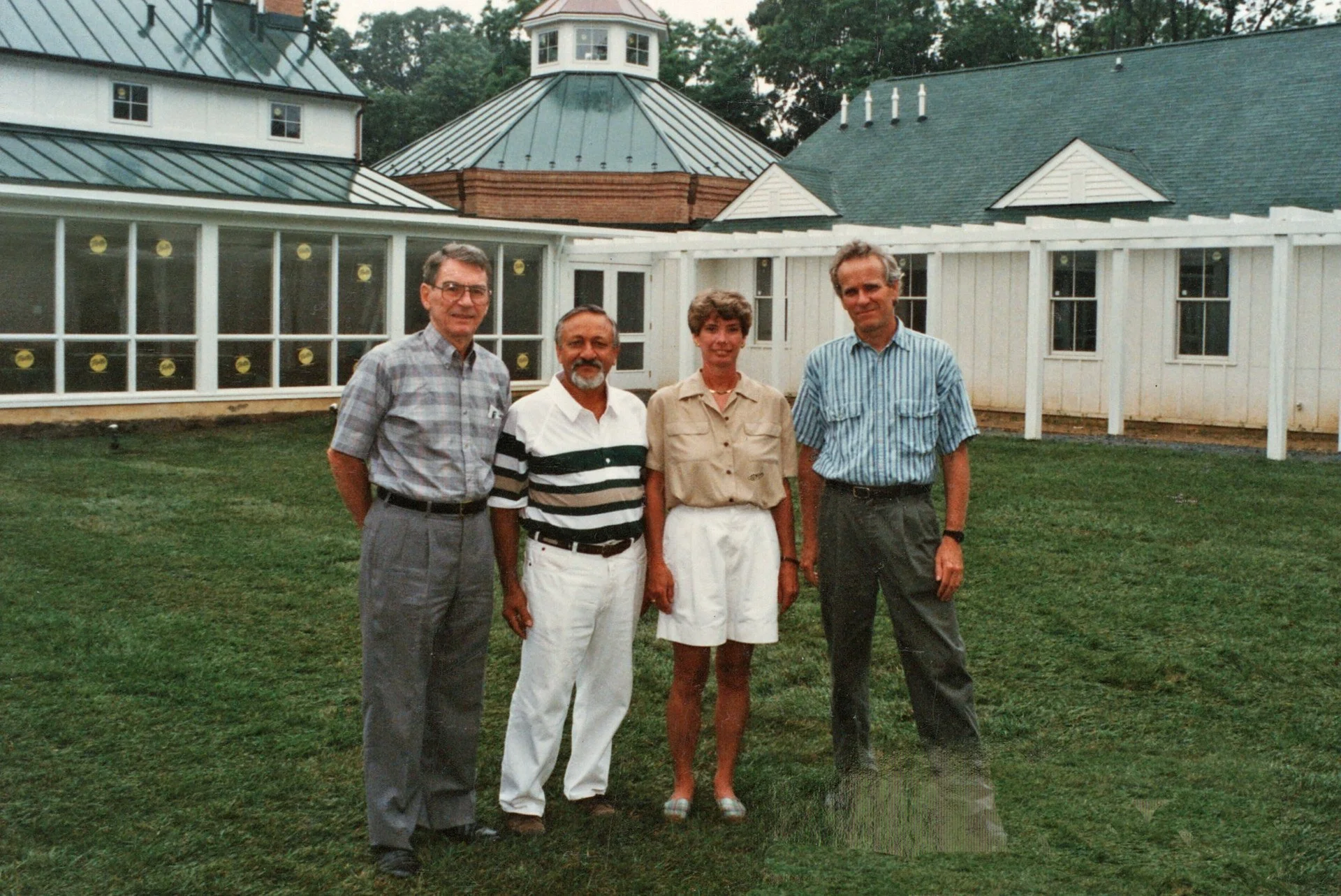
A Story 46 Years in the Making, and It Needs You to Write the Next Chapter
On September 16, 1981, a small group of neighbors sat down in a room together and did something quietly radical: they decided that the stories of our community, the everyday ones, the ones that don't usually make it into history books, were worth saving.
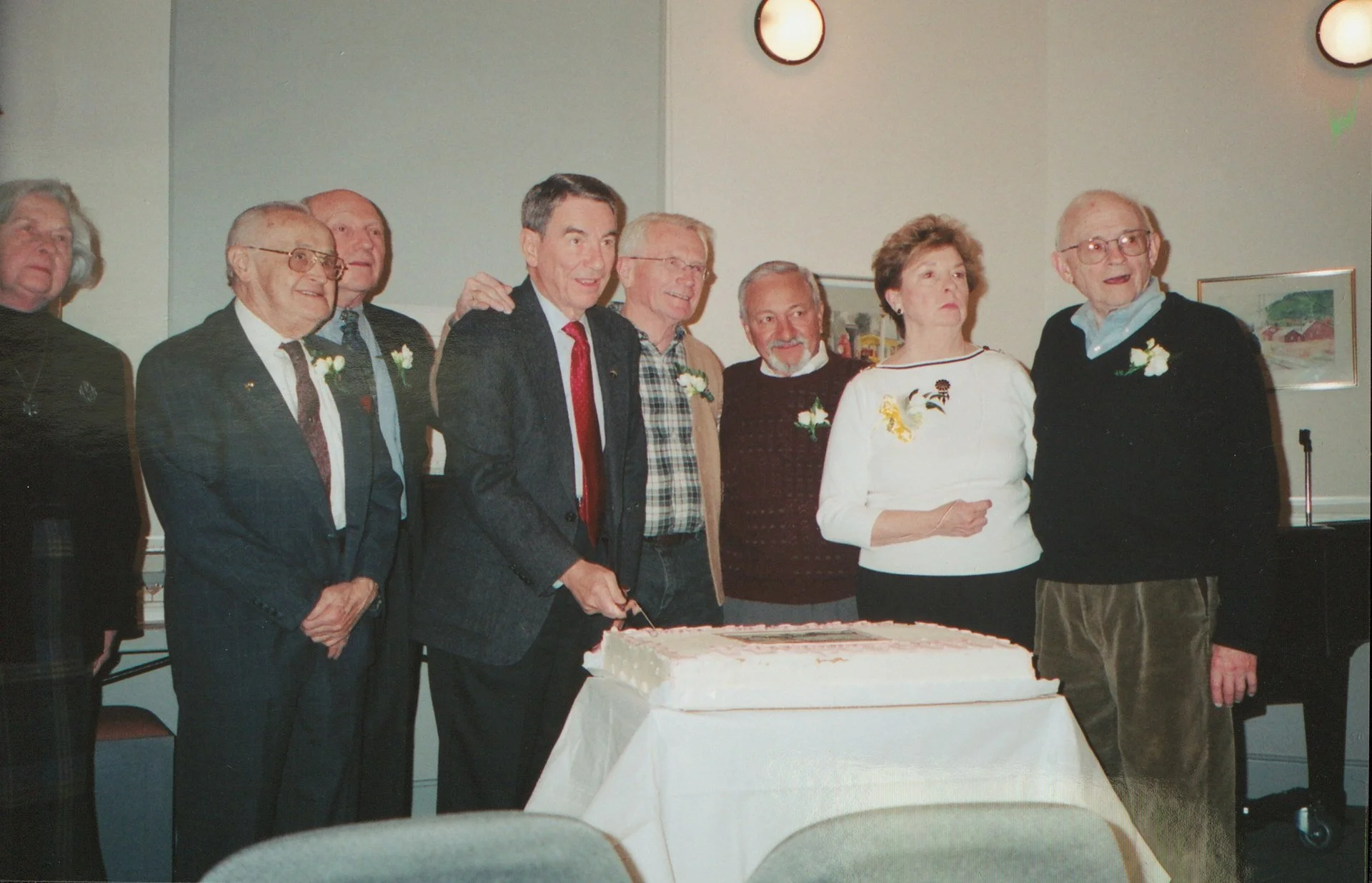
Why Founders’ Day Matters
I’ve spent most of my career as a fundraiser, and I’ve coached a lot of people who were terrified of asking for support. There’s a cultural bias many of us carry, one I understand completely, that asking for a gift means asking someone to give and get nothing back. It’s not true. It never has been.
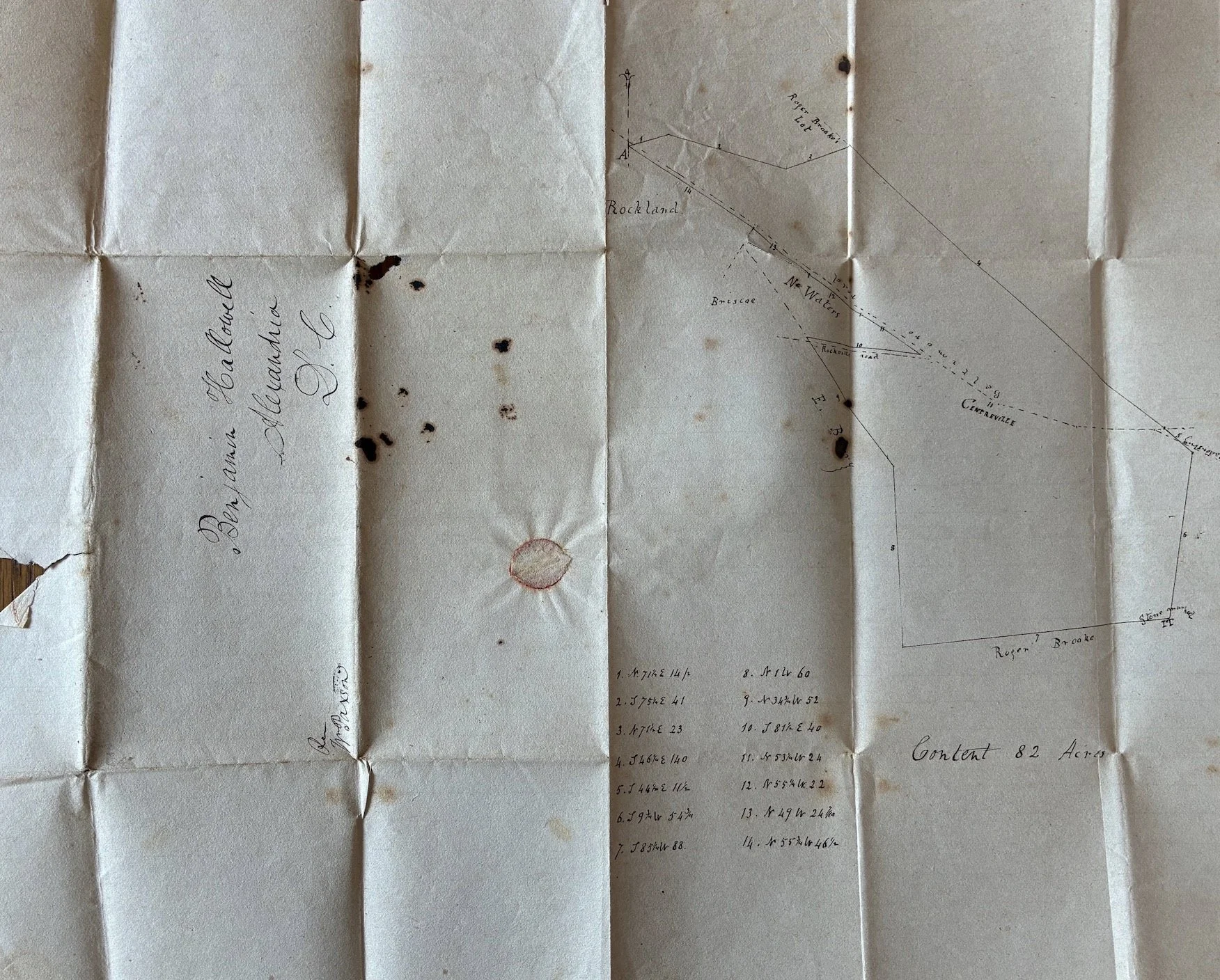
Entry 8, August, Rockland
Built in 1838, Rockland was the home of Benjamin Hallowell, a Sandy Spring Quaker notable for his public commitment to abolition and his sustained relationships with members of the local free Black community.
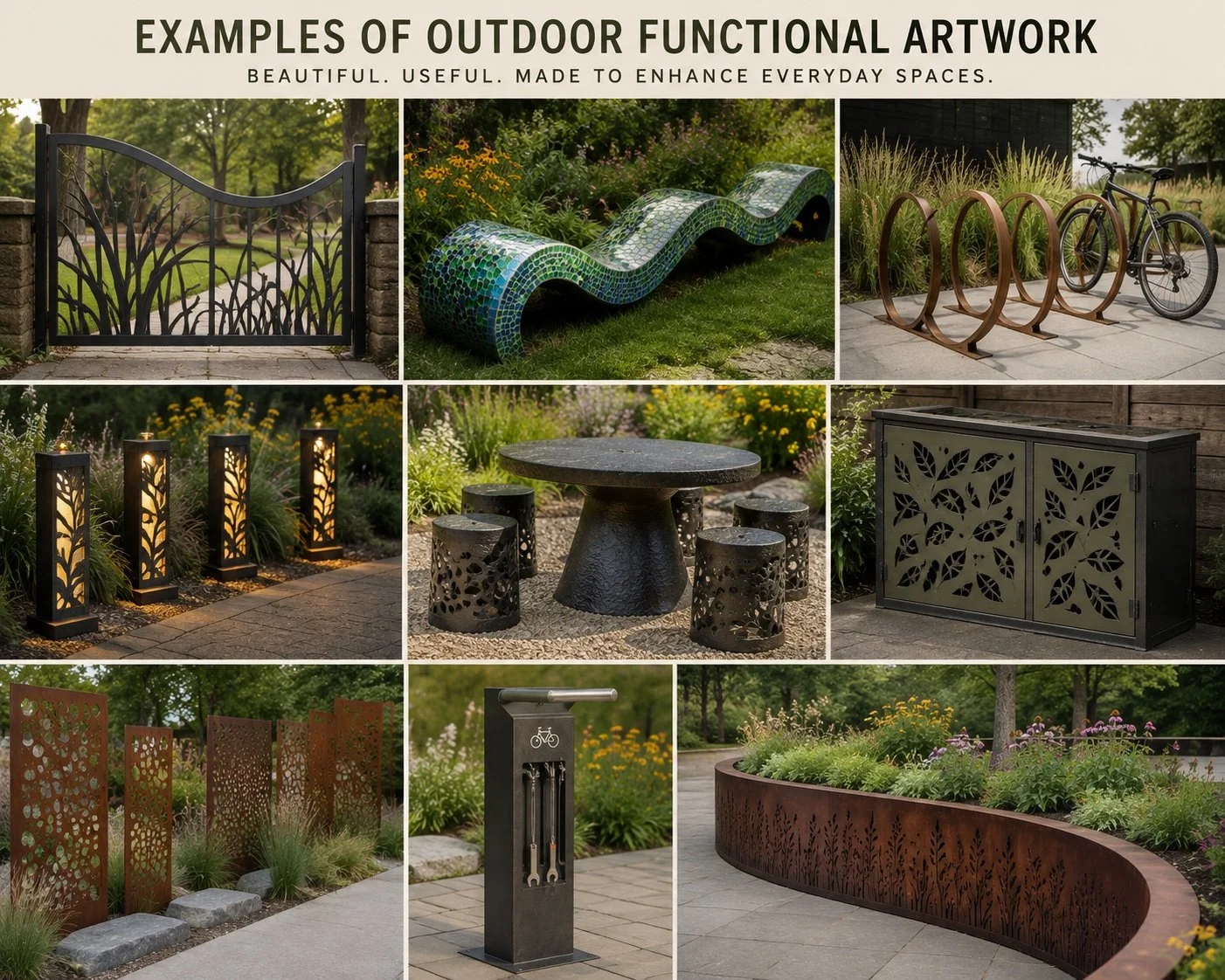
Call for Artists: Functional Art at Sandy Spring Museum
Artists living in the DMV are invited to submit qualifications for a new functional art initiative at Sandy Spring Museum. Selected artists will develop durable, useful works inspired by place, community, and history for the Museum's expanding walking trails.
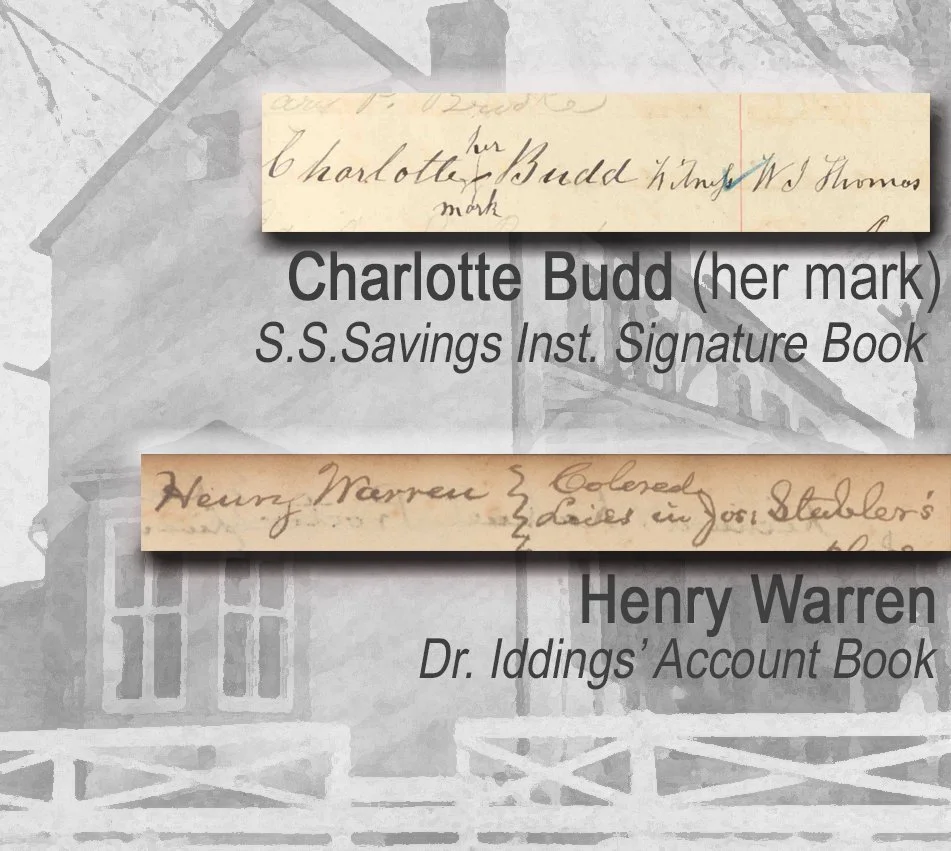
Entry 7, July: Auburn
Auburn’s surviving records reveal the essential work of Black women and men who sustained the Sandy Spring farm in the nineteenth century. Diaries and account books preserve the stories of Rachel Bellows, Lizzie and Charlotte Budd, Caroline Sedgwick, and others whose labor shaped daily life at Auburn.
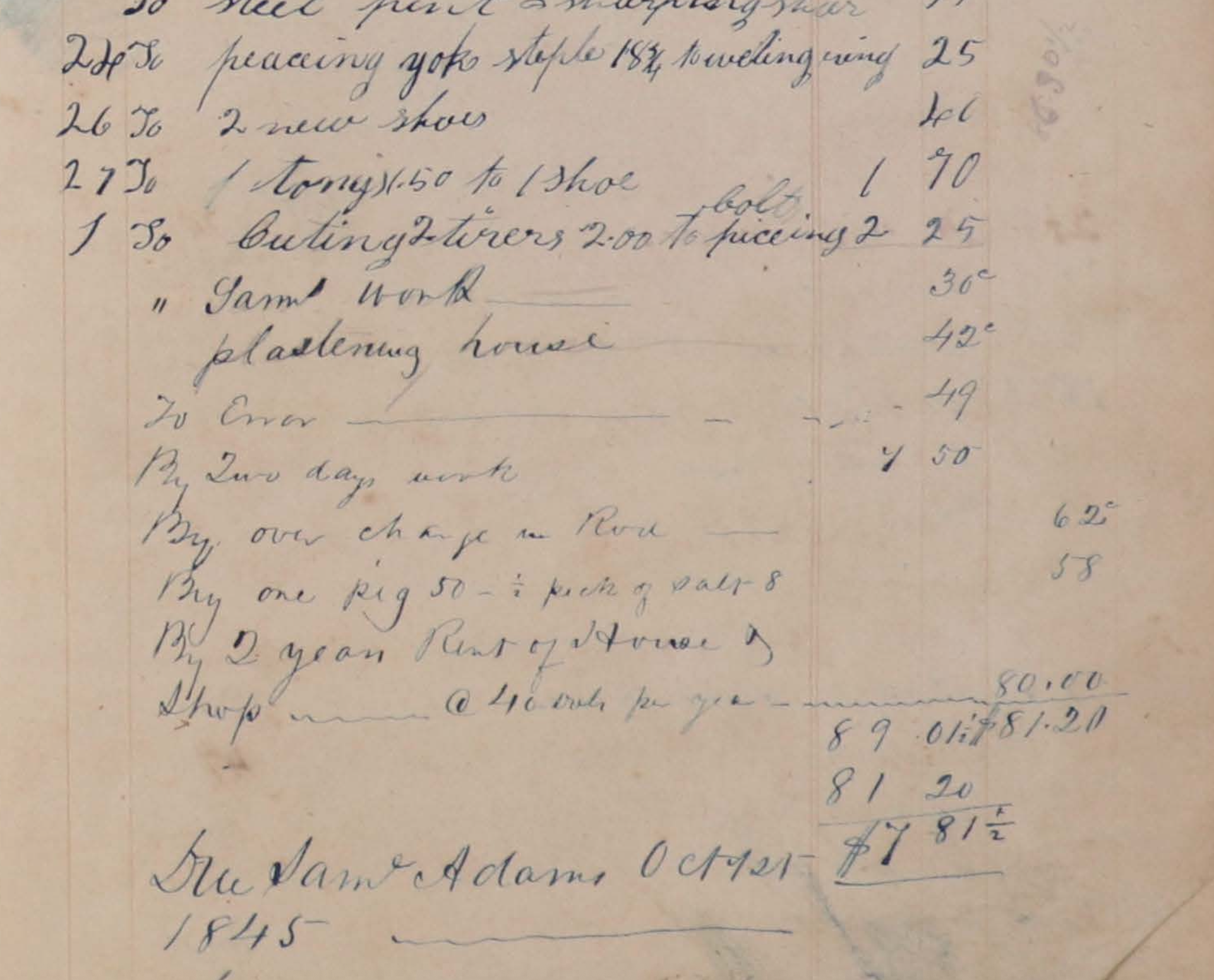
Entry 6, June: Bloomfield
Bloomfield was more than just the home of Caleb Bentley and his son Richard T. Bentley, it was a center of opportunity that helped free Black individuals and families in Sandy Spring build businesses, acquire land, and establish lasting roots in the community.
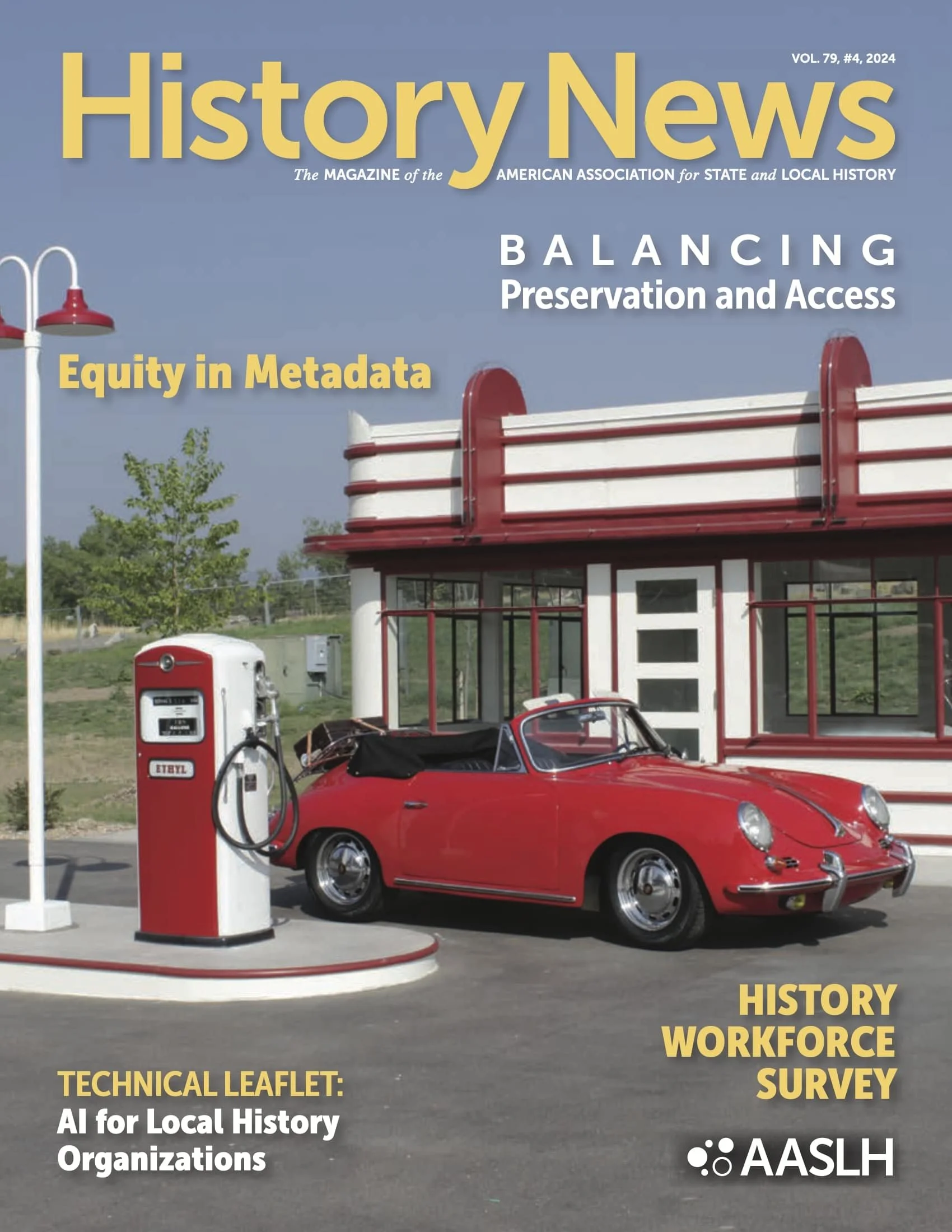
History News Article: Equity in Metadata
Sandy Spring Museum (SSM) in Maryland launched the Equity in Metadata initiative. This restorative cataloging project extracts individual pages referencing Black residents to create unique, searchable digital profiles.
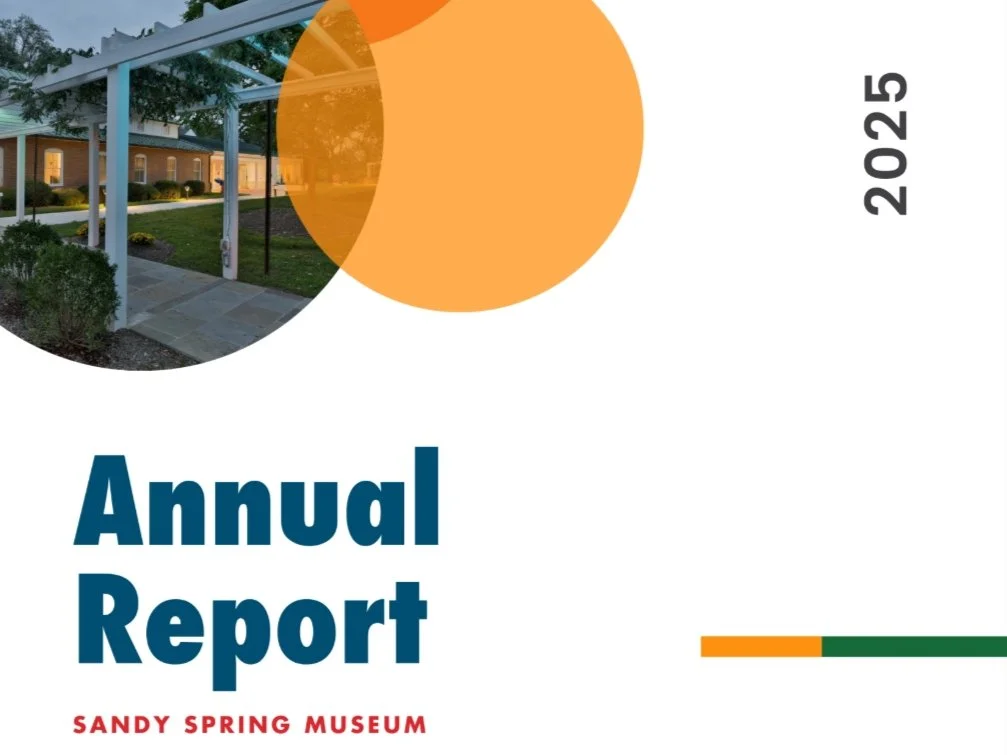
Sandy Spring Museum 2025 Annual Report
Thanks to donor generosity in 2025, Sandy Spring Museum experienced a year of remarkable growth, creativity, and community connection. You can explore our shared accomplishments through our Annual Report.
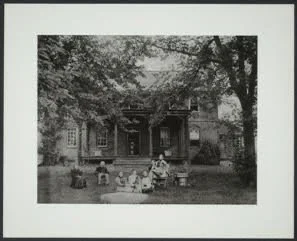
May, Falling Green
Built ca. 1764 for Basil Brooke, Falling Green is representative of the interdependence relied upon by both the Black and White communities of the greater Sandy Spring area. Over successive generations it witnessed the transition from slavery to a wage-labor and tenant-based system of agriculture.
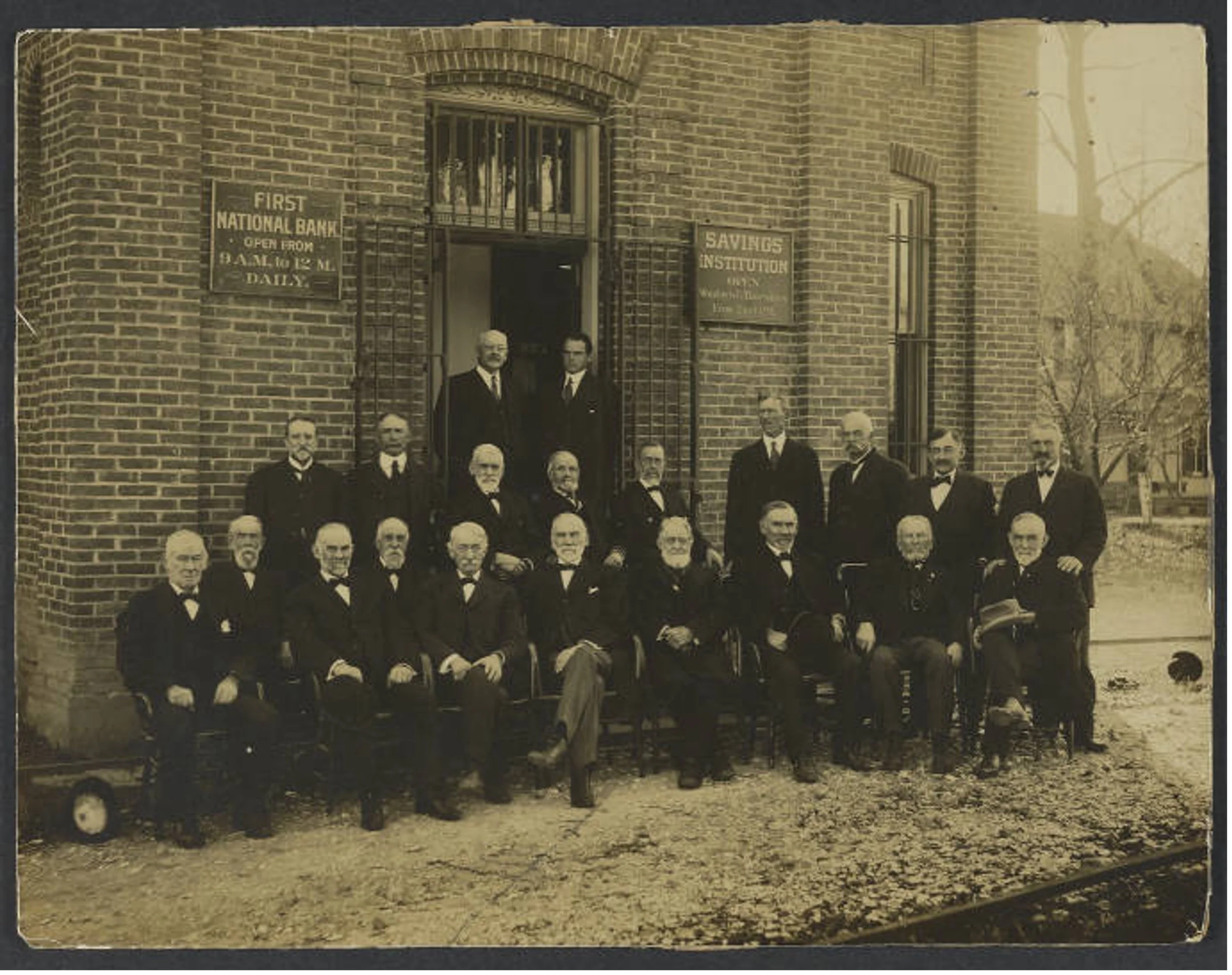
Atlantic Union Bank Donates Historic Sandy Spring Bank Building to Sandy Spring Museum
Atlantic Union Bank and Sandy Spring Museum today announced Atlantic Union Bank will donate the historic Sandy Spring Bank building located at 908 Olney Sandy Spring Road in Sandy Spring, Maryland to the museum.
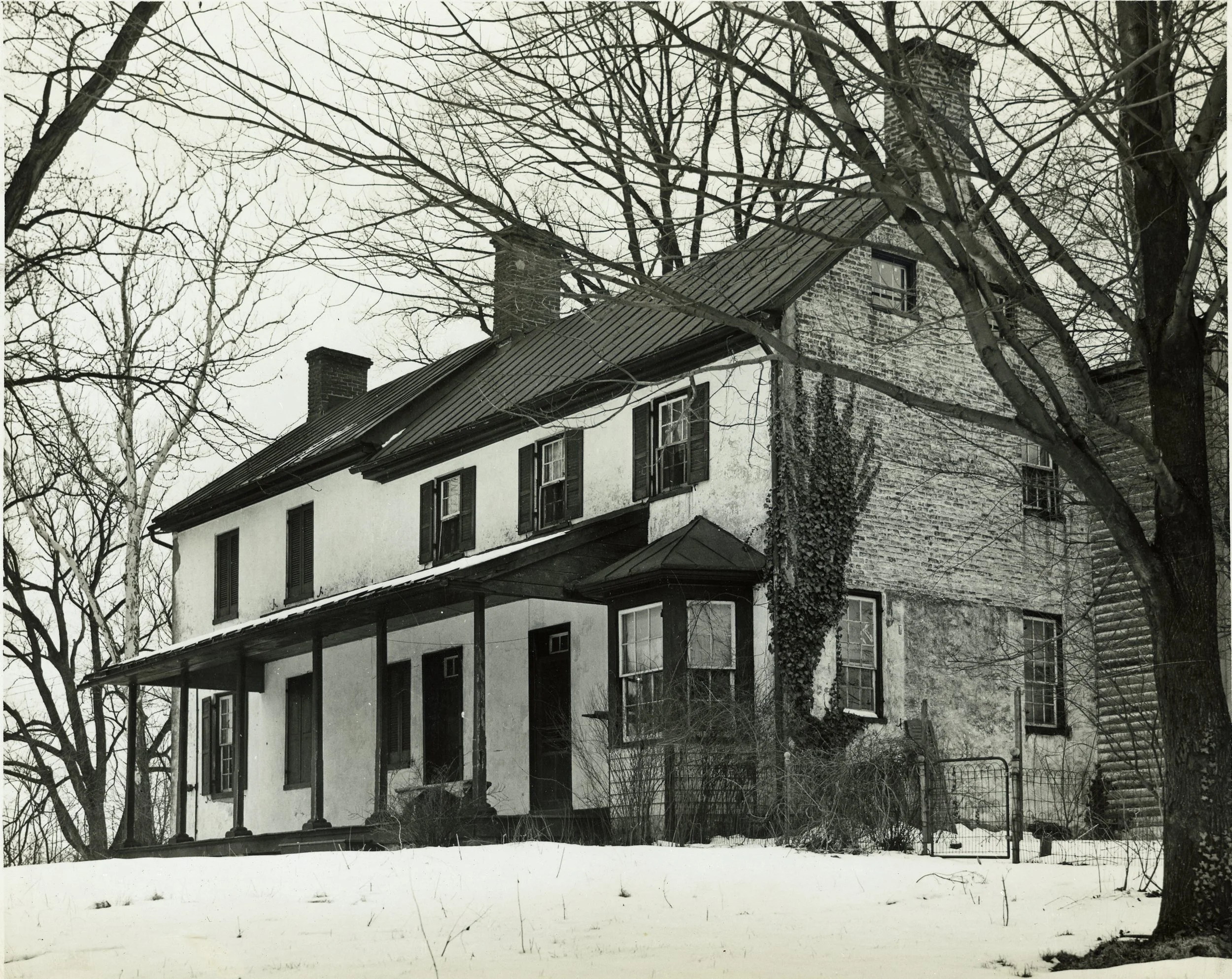
April, Walnut Hill
Free Black laborers and families played a central role in shaping Walnut Hill, living and working alongside the Lea family for more than four decades. Henson Hill, one of the longest-serving workers, later purchased land in Cincinnati and became a founding member of his community, reflecting both resilience and self-determination.
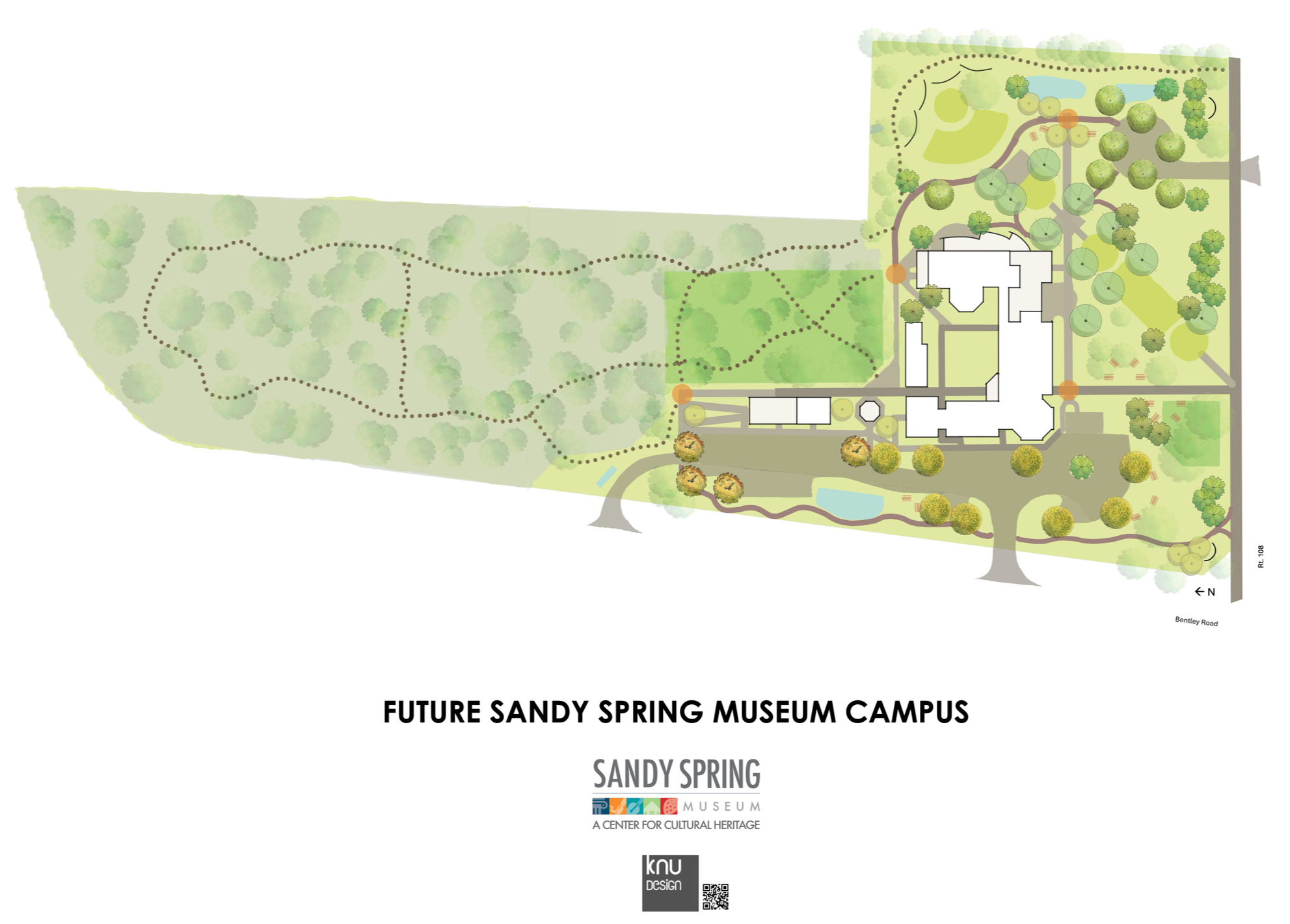
Sandy Spring Museum’s Cultural Landscape Plan
The Cultural Landscape Plan is the next phase of the museum’s five-phase Master Plan, focused on creating a more accessible and vibrant campus for community activities, from festivals to quiet walks.
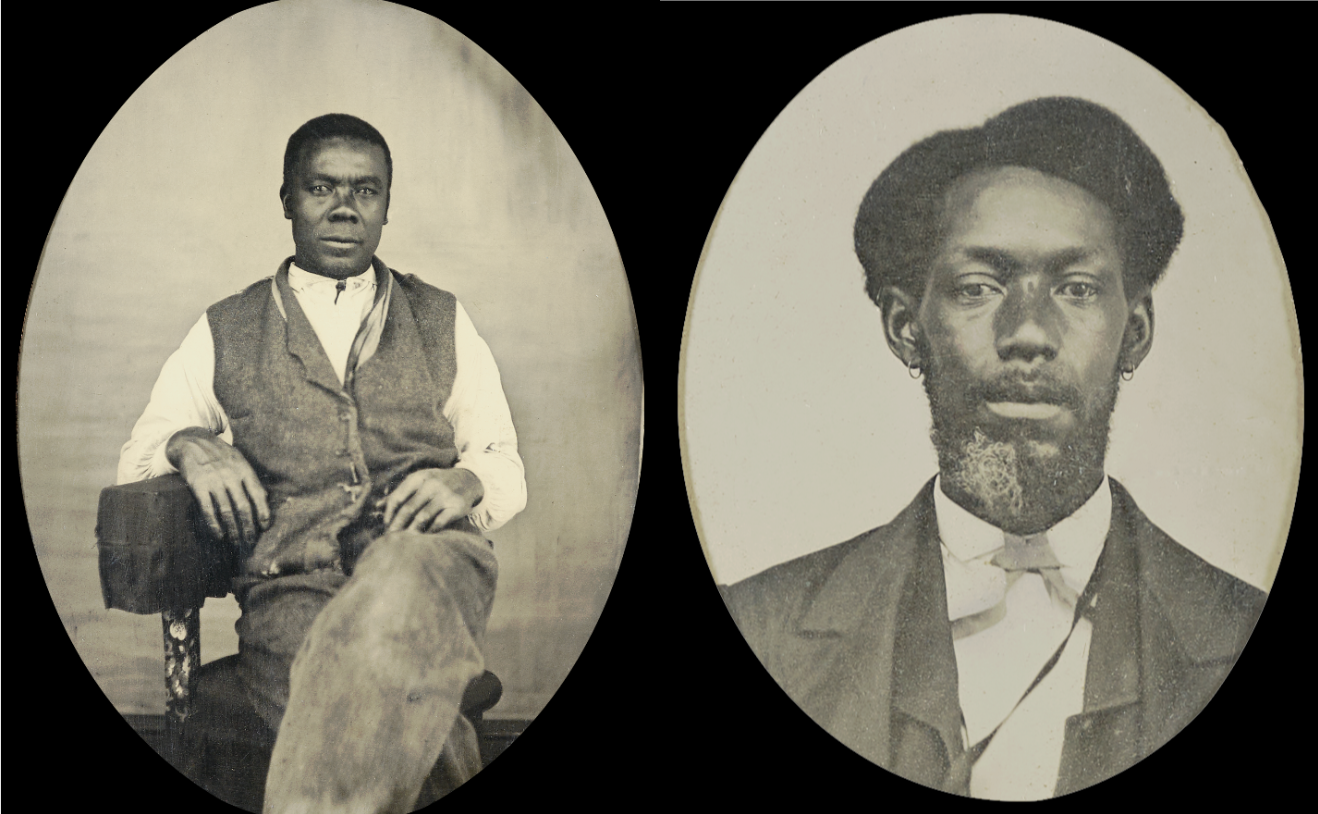
Fairfield and the People of Riverton
Through land ownership, home-building, and careful financial management, Hill established lasting stability for his family, while Bond’s enlistment reflects the hope and determination that a lot of Black men felt as they looked towards the Civil War as a path for improving their condition.

Black Meadows and the Foundations of Sandy Spring
Built ca. 1848, Black Meadows is significant for its role within the interconnection of the Black and White communities that shaped nineteenth-century Sandy Spring. Rather than hold enslaved individuals, the Peirces employed at least thirty-eight free Black persons who worked in exchange for cash, foodstuff, and barter.
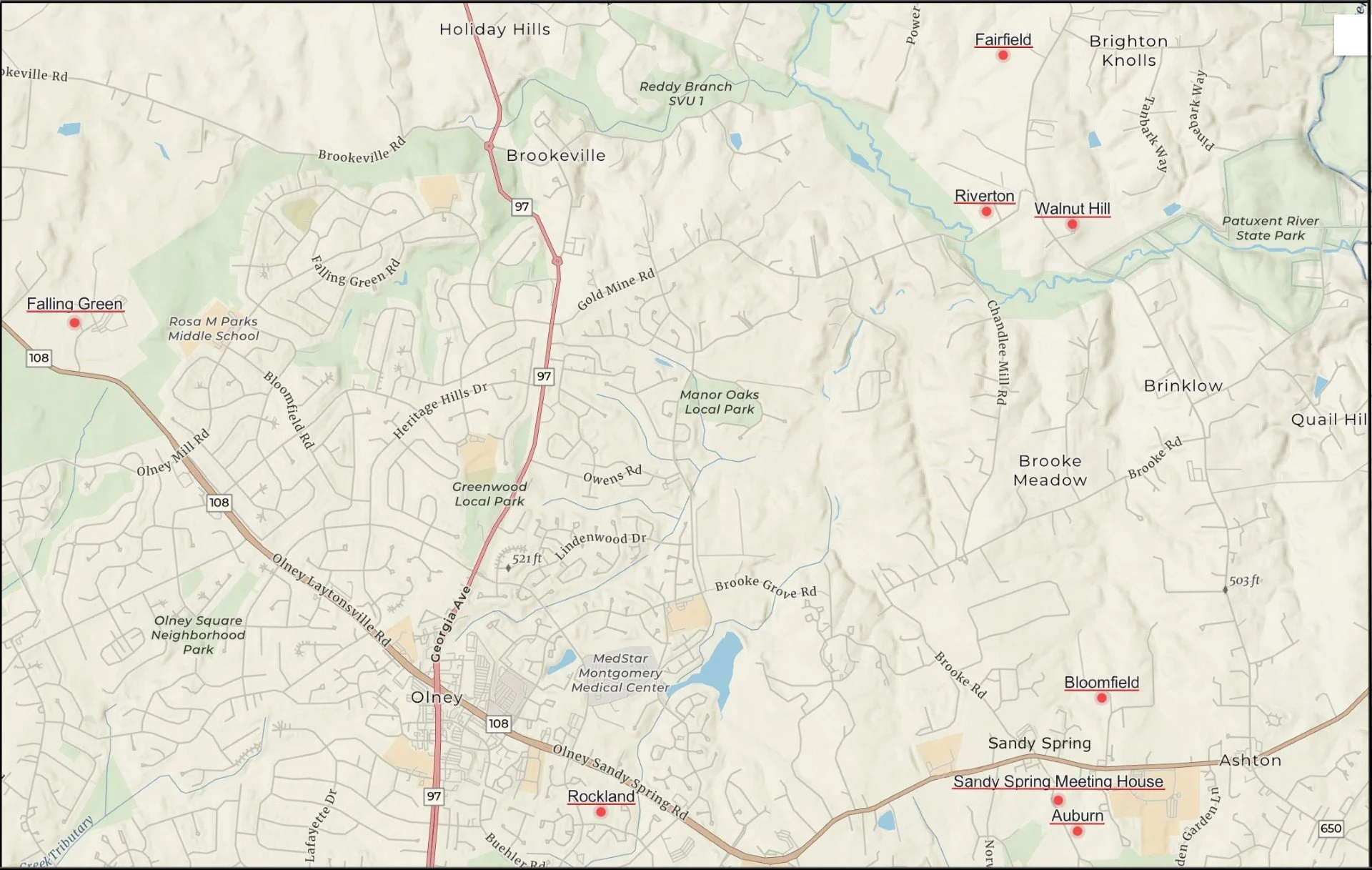
Sandy Spring’s Historic Free Black Community Comes into Clearer Focus
Rather than presenting Sandy Spring’s past primarily through the perspective of landowner, these updates illuminate the intertwined histories of Black and White residents—marked by both cooperation and inequity.
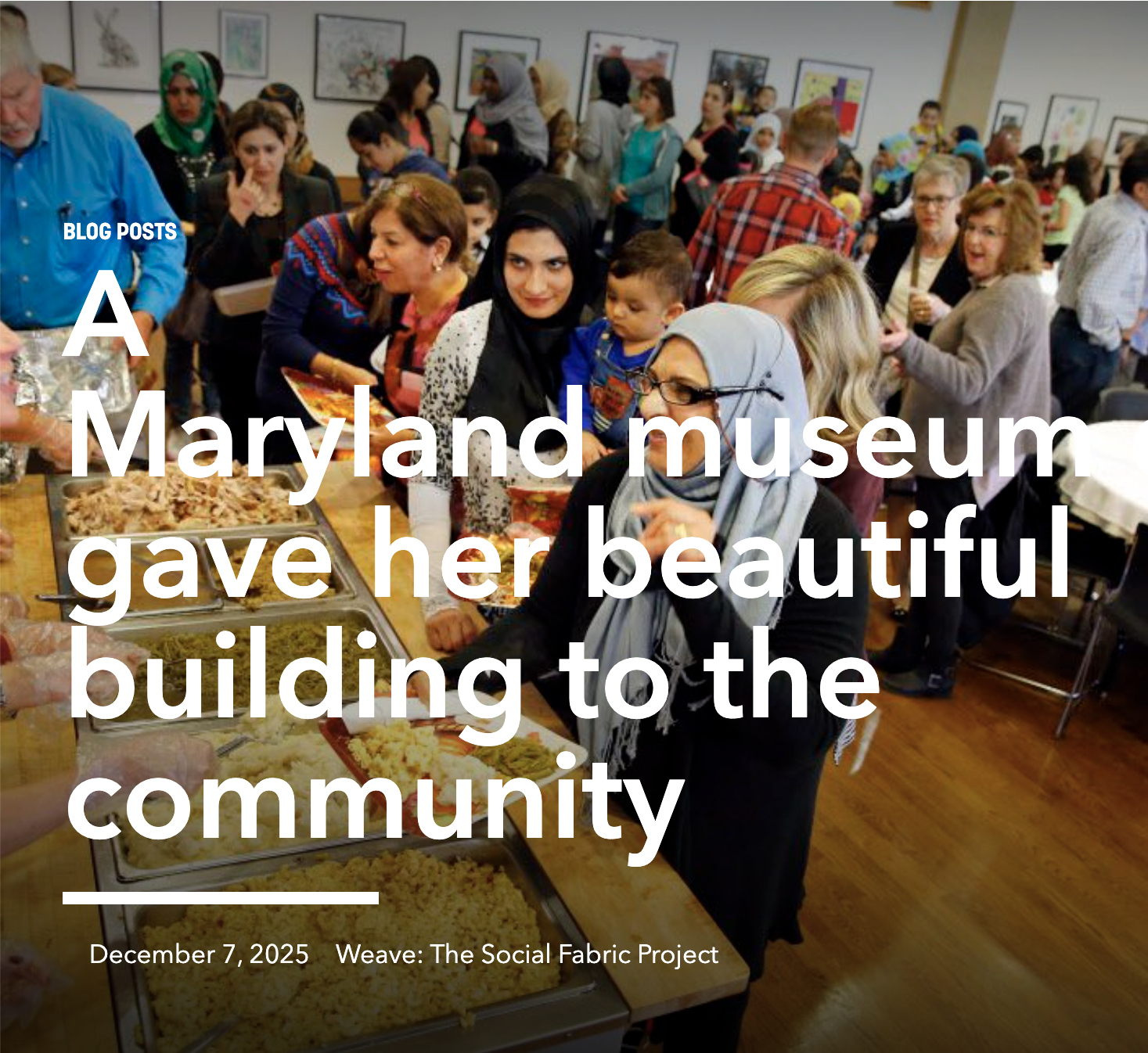
A Maryland museum director gave her beautiful building to the community
Sandy Spring Museum was recognized by the Aspen Institute for our community-forward approach.
Press & Media
Resources for journalists and media covering Sandy Spring Museum. For interviews, images, or additional information, contact us below.
Media Resources

Logos

Brand Guidelines
About Sandy Spring Museum
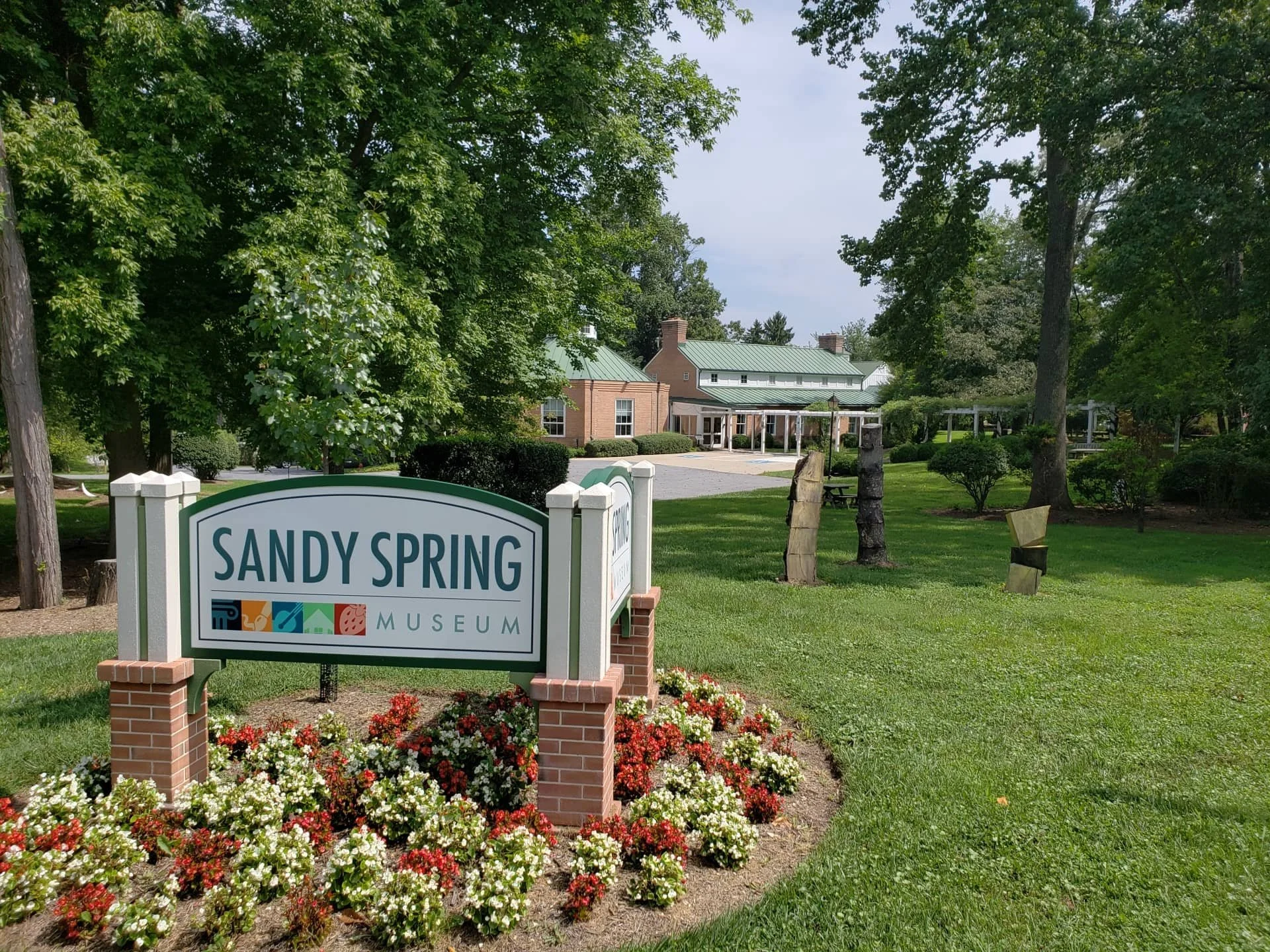
Founded in 1981, Sandy Spring Museum is a 501(c)(3) nonprofit history and cultural heritage museum located at 17901 Bentley Road in Sandy Spring, Maryland.
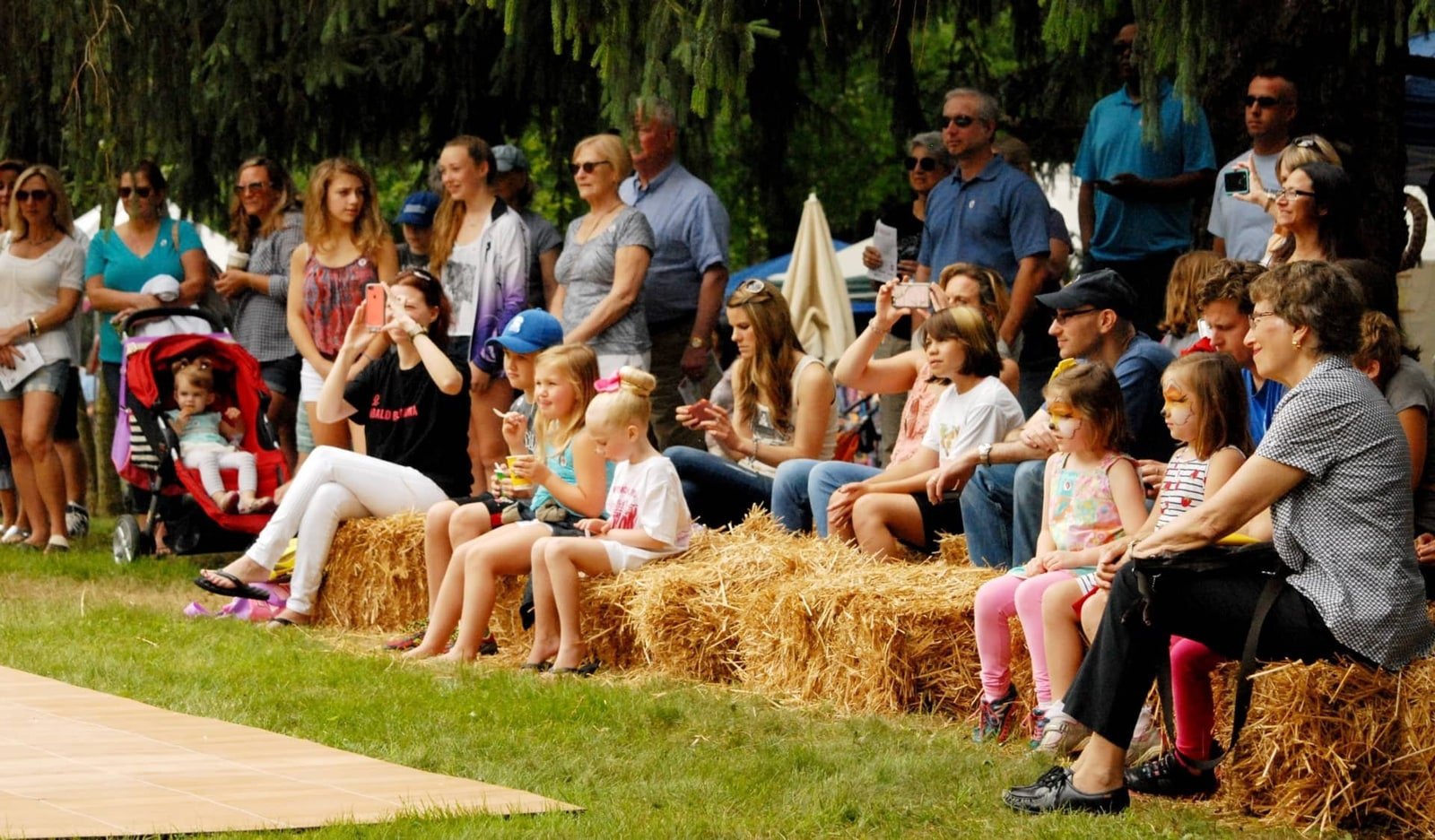
Sandy Spring Museum brings diverse communities together and advances social equity through engaging experiences with the region’s cultural heritage. It preserves and interprets the history of Sandy Spring and greater Montgomery County, maintains archives rich in local history, and serves as Montgomery County’s Regional Folklife Center by supporting folk artists through workshops, performances, and public programs. Through exhibitions, educational programs, and community partnerships, the museum fosters a shared sense of place and belonging.
Media Inquiries
Allison Weiss, Executive Director
Sandy Spring Museum
info@sandyspringmuseum.org | (301) 774-0022
We aim to respond to press inquiries within one business day.